
VRF (Variable Refrigerant Flow)
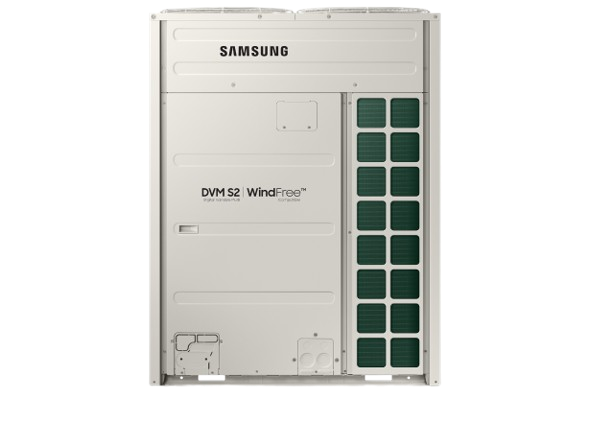
VRF systems, or Variable Refrigerant Flow systems, are advanced HVAC solutions designed for multi-zone cooling and heating in modern buildings. A VRF system connects one or several outdoor units to multiple indoor units and allows each room or zone to be controlled independently. The system adjusts refrigerant flow according to real cooling or heating demand, helping deliver the required capacity only where it is needed.
Compared with traditional split air conditioning systems, VRF technology provides much greater flexibility for large and complex projects. Cassette, ducted, wall-mounted, floor-ceiling and other indoor unit types can be used within the same project. This allows engineers and designers to create a cleaner, more balanced and more controllable air conditioning solution that matches both technical requirements and interior design.
One of the key advantages of VRF systems is individual temperature control by zone. Hotel rooms, office areas, meeting rooms, restaurants, reception spaces and technical rooms can operate with different temperature settings at the same time. This improves user comfort and helps manage energy consumption more logically in areas that are used at different times or with different occupancy levels.
VRF systems are commonly available as heat pump and heat recovery configurations. Heat pump VRF systems generally operate in either cooling or heating mode across the system. Heat recovery VRF systems are used in more advanced projects where different zones may require cooling and heating at the same time. This makes them especially useful for hotels, business centers, clinics and large commercial buildings with different internal loads and usage patterns.
In the global market, demand for VRF systems continues to grow due to energy efficiency, flexible zoning, centralized control and easier climate management in large buildings. In modern properties, using many independent split systems may create technical, visual and maintenance challenges. A VRF system allows multiple indoor units to be managed through a centralized outdoor unit structure, helping organize refrigerant piping, controls and system operation more professionally.
In Azerbaijan, VRF systems are especially relevant for Baku, Absheron and major urban construction projects. Business centers, hotels, clinics, restaurants, retail spaces, villas, showrooms and multi-storey administrative buildings can benefit from VRF air conditioning systems. A reduced number of outdoor units on the facade, a wide choice of indoor unit types and centralized control options make VRF systems attractive for modern commercial and residential projects.
When selecting a VRF system, it is important to calculate the total building area, number of zones, cooling and heating loads, indoor unit types, refrigerant piping length, height difference, electrical capacity, control system, drainage lines and service access. VRF systems should not be selected only by square meter estimation like simple air conditioners. Incorrect design can lead to performance loss, higher energy consumption, reduced comfort and service difficulties.
Euroclima offers professional support for selecting and designing VRF systems for residential, office, hotel, villa and commercial projects. A properly designed VRF system provides stable indoor temperature, individual zone control, aesthetic installation and long-term operating comfort. VRF systems are a strong choice for modern HVAC projects where high comfort, technical flexibility and energy-efficient operation are required.